Written By: David Singh, MD, FACC
Atrial Fibrillation (AFib) isn’t just a concern for seniors—cases are rising among younger adults, too. Learn why early detection is critical, how wearable tech is changing the game, and discover the latest breakthrough treatments now available for AFib at El Camino Health. Don’t ignore the signs—your heart’s health could depend on it.
In this article:
- Atrial Fibrillation (AFib) is the most common irregular heartbeat, increasingly affecting not just the elderly but also younger, active adults due to factors like sleep apnea, stress, obesity, and lifestyle habits.
- AFib can be subtle or symptomless but significantly raises the risk of stroke, heart failure, and dementia; early detection—through annual exams or wearable devices—is crucial for effective treatment.
- Newer treatments like Pulse Field Ablation, now available at El Camino Health, offer safer, faster, and more effective options for symptomatic AFib patients compared to traditional ablation methods.
According to the American Heart Association, Atrial Fibrillation (AFib) affects about five million Americans and the number is growing. The Centers for Disease Control and Prevention estimates it will affect 12 million Americans by 2030. So what is AFib and why should you care? Here’s what you need to know this American Heart Month.
AFib is the most common type of irregular heartbeat and a new surprising trend is emerging: It’s no longer a condition reserved for the elderly. AFib cases are rising among younger, active adults.
In my experience as a cardiac electrophysiologist, I've seen patients in their twenties that have AFib. It’s an exception, but it is happening. Then as we get older, the risk of AFib increases, and it's a progressive disease. The more advanced it is, the harder it is to treat. My goal as a doctor is to try to intervene as early as possible on the disease course. That way we have a much better chance of treatment success.
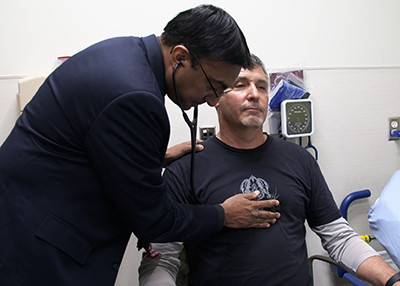
While the irregular and often rapid heart rhythm of AFib is traditionally associated with the elderly, this spike in younger patients is due to factors ranging from sleep apnea to high stress or anxiety. Other lifestyle risk factors include obesity and diabetes, high blood pressure, smoking, alcohol and caffeine use and intense endurance sports.
The danger of AFib lies in its subtlety. Left untreated, it can increase the risk of stroke by fivefold. It has also been linked to heart failure, sudden cardiac arrest and cognitive issues like dementia. I urge the people of all ages in our community to look for these "red flag" symptoms:
- Heart palpitations: A feeling like your heart is "flipping," racing, or skipping a beat.
- Unexplained fatigue: Feeling exhausted even after a full night’s rest.
- Shortness of breath: Difficulty breathing during light exercise or even while resting.
Because some people can have AFib with no obvious symptoms, it’s vital to prioritize your annual physical exam where your doctor may pick up on the condition.
Wearable technology is also changing the diagnosis landscape and it’s common for patients to come to me after their smartwatch alerts them that they have AFib. If your watch, ring or whatever device you have is alerting you, please don’t ignore it. Sure, it may be nothing. We know these devices aren’t perfect. But it may be something that needs to be addressed.
Once we know that a patient has AFib, we have advanced treatment methods that are delivering life-changing results at El Camino Health’s Heart & Vascular Institute.
The leading treatment for symptomatic AFib is Ablation, a minimally invasive procedure to inactivate abnormal tissue causing the irregular heartbeat. Until recently, ablation involved "burning" or "freezing" the disruptive heart tissue. While Ablation has a long and established track record in treating AFib, advancements of the technology have deeply improved success and patient experience.
The U.S. Food and Drug Administration approved devices for Pulse Field Ablation in December of 2023 and as early adopters of technology, we quickly moved to offer this treatment to El Camino Health patients. Pulse Field Ablation is a non-thermal treatment that avoids the potential adverse effects associated with conventional thermal Ablation. Conventional thermal Ablation took more work to inactivate the areas. With the Pulse Field technology, patients are under anesthesia for less time - think 45 minutes vs. three hours - and we believe it's safer than technologies in the past. This breakthrough is now my first line therapy for a symptomatic AFib patient. It’s simply the best tool we have to remove the irregular rhythm caused by AFib.
We’ve come a long way with treatment options and we will always continue to adopt the best technologies for our patients at El Camino Health. My hope with this blog post is to remind you of one of the most important things you can do to take charge of your health: Listen to your body. I’ve seen the value of early diagnosis and treatment increase a patient’s longevity and quality of life many times in my experience. Don’t hesitate to set an appointment if you feel like something is off.
Want to learn more about the latest in prevention, treatment and everyday strategies to protect your heart? Join El Camino Health’s 15th Annual Heart Forum on February 7, 2026. Register for free here.
This article first appeared in the February 2026 edition of the HealthPerks newsletter.